History and context
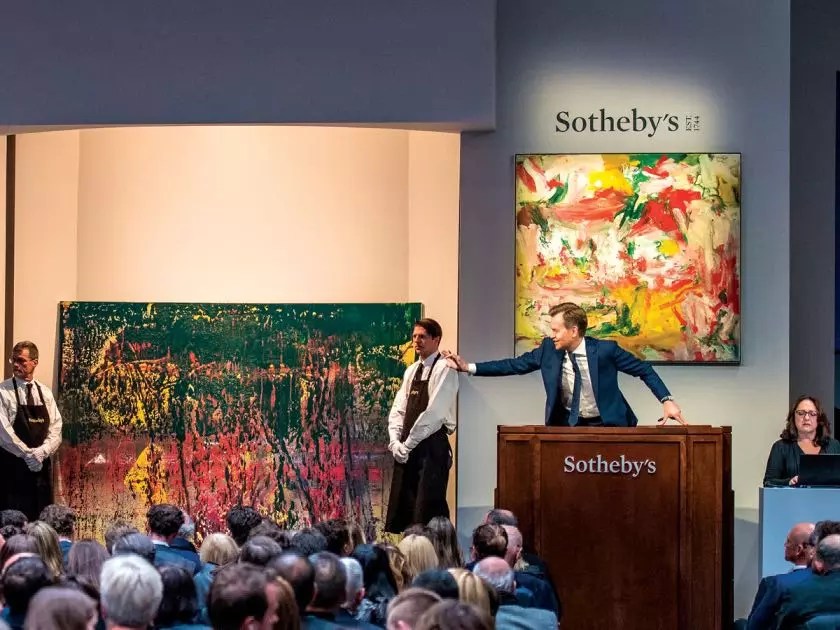
The art market is one of the most unregulated and silent economies in the world, tying culture and countries together. Unbeknownst to the public, it makes a perfect loophole for money to move around unsanctioned. Using auction houses like Sotheby’s and Christie’s, or warehouse complexes like the Geneva Freeport, to move and hide, and get tax-free art pieces to influx their wealth. In this website, you will find all the information you need to answer any question about the movement of art worldwide.
As is true with the art world, information is subject to change over time, which is why I believe a base level guide of information on the movement of art around Museums and post-auctions is so necessary for the public to be aware of.
Creativity and passion lies in the bare bones of our society, and our existence as humans. It is an unspoken truth of life and culture that art is what connects us all. At the bare minimum, we are all connected by our love to create. However, in the modern art world, there is so much flux in pricing depending on location, type of work, length of time, associations, and fame. Information on the movements of art and culture throughout history should be public knowlege, so that we all understand the deeper value of art in our society.on.